Owner's Guide to finding the best value for your budget
Polo 1.2 TSI Services: Maximize Your Driving Experience With Specialized Care
Maintaining a Polo 1.2 TSI is fundamental for sustaining its longevity and performance. Scheduled servicing can tremendously improve fuel efficiency and overall driving experience. Competent care involves not just basic tasks, but also precise testing methods that can discover issues early. Comprehending the importance of these services can make a tremendous distinction. What vital care techniques should vehicle keepers emphasize to truly refine their driving experience?
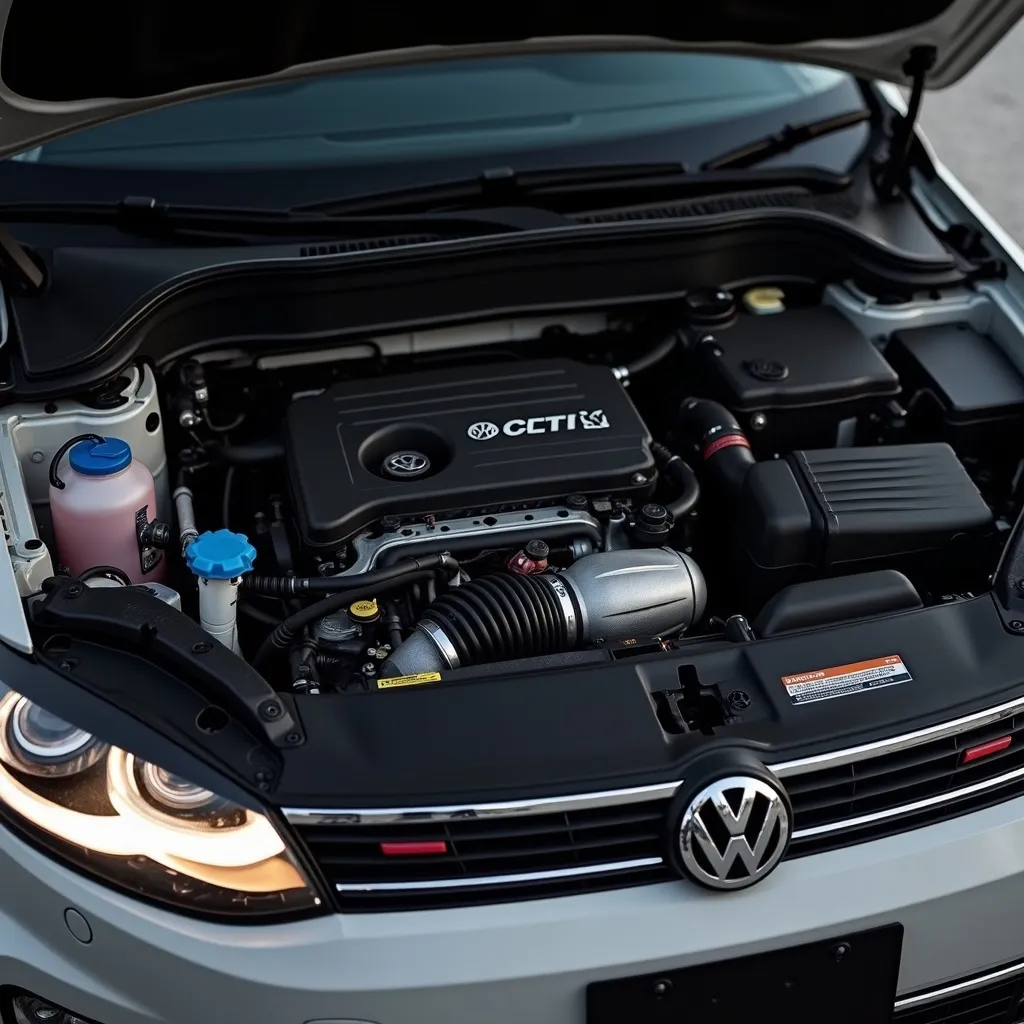
Why Frequent Maintenance Is Indispensable for Your Polo 1.2 TSI
Consistent maintenance assumes a critical role in ensuring the extended life and functionality of the Polo 1.2 TSI. This small car model, appreciated for its economical nature and responsiveness, requires routine checks to sustain it operating at its highest capacity. Regular servicing aids in identifying latent problems before they get worse, thereby reducing the risk of expensive maintenance work. Processes including oil changes, fluid checks, and tire rotations strongly contribute to the car's comprehensive condition.
Furthermore, adherence to a service routine guarantees that all components function properly, boosting fuel efficiency and driving experience. A well-maintained Polo 1.2 TSI not only operates better but also retains its resale value over time. Neglecting maintenance can lead to reduced reliability and might compromise safety features. Ultimately, adhering to regular maintenance is a preventative strategy that safeguards the vehicle's performance and lengthens its lifespan, allowing owners to enjoy their driving experience fully.
Essential Engine Maintenance for Peak Performance
To secure the Polo 1.2 TSI functions at optimal performance, essential engine maintenance must be given priority. Consistent oil changes are vital for preserving lubrication, while timely air filter maintenance guarantees ideal airflow to the engine. Together, these maintenance activities greatly enhance performance and longevity.
Regular Oil Replacements
Preserving optimal engine performance relies on the frequency and quality of oil changes. For the Polo 1.2 TSI, consistent oil changes are vital in ensuring the engine functions smoothly and efficiently. Engine oil conditions moving parts, decreases friction, and facilitates the dispersal of heat, which is critical for long-term durability. Over time, oil degrades and collects contaminants, resulting in reduced performance and conceivable harm. Experts recommend changing documentation the oil every 5,000 to 10,000 kilometers, according to driving conditions and oil type used. Using high-quality oil that meets manufacturer specifications is equally important, as it offers optimal protection and boosts fuel efficiency. Therefore, following a consistent oil change routine is fundamental for maintaining the vehicle's dependability and performance.
Air Filter Maintenance
Peak engine efficiency requires diligent air filter maintenance. The air filter acts as an important function for managing airflow to the engine, keeping out dust and debris from infiltrating. A clean air filter improves fuel efficiency and engine performance, but a clogged filter results in reduced power and increased emissions. Regular examination of the air filter, normally at every service interval, is suggested, and it should be replaced as needed or every 12,000 to 15,000 miles. High-quality filters deliver superior filtration, ensuring maximum airflow. Overlooking air filter maintenance jeopardizes engine health, creating expensive repairs. In turn, for the Polo 1.2 TSI, timely air filter maintenance is critical for sustaining performance and longevity.
Why Quality Oil Changes Should Be Your Priority?
Consistent oil changes are vital for the life expectancy and functioning of a Polo 1.2 TSI. Engine oil serves a critical function in protecting engine components, cutting down friction, and managing temperature, which helps preserve optimal engine performance. Over time, oil can become polluted with dust, particles, and contaminants, leading to compromised lubrication and potential motor deterioration.
Emphasizing quality oil changes confirms that the engine operates smoothly and efficiently. Premium-grade oils contain additives crafted to defend the engine from wear and corrosion, improving overall efficiency. Furthermore, regular oil changes can increase fuel economy, reducing expenses throughout the years.
Moreover, respecting the manufacturer's advised oil change timeframes can avoid expensive maintenance and extend the vehicle's service life. Ultimately, committing to superior oil changes is a proactive measure that improves the driving experience and sustains the Polo 1.2 TSI's efficiency.
Brake System Examinations: Essential Information
The brake mechanism is vital for vehicle safety and functionality, making its routine inspection necessary. Signs of brake degradation, such as strange sounds or diminished braking efficiency, should not be overlooked. Regular inspections not only improve safety but also lengthen the life of the braking components.
Importance Of Brake Safety
While many operators overlook brake system assessments, their value cannot be overstated. The brake system is an critical component of vehicle safety, directly affecting braking performance and overall stability. Regular assessments ensure that all parts, including pads, rotors, and fluid levels, are working at maximum efficiency. Ignoring these checks can result in reduced effectiveness, raising the risk of accidents. Moreover, prompt identification of problems can avoid expensive repairs in the future. Brake safety is not merely about preserving vehicle reliability but also about protecting the driver, passengers, and other road users. Prioritizing brake system assessments cultivates a preventative approach to vehicle maintenance, ultimately enhancing a safer driving experience. Drivers should regard these assessments a essential part of responsible car ownership.
Signs Of Brake Wear
Numerous indicators suggest brake wear, and recognizing them early can avoid serious issues. A common indicator is a squealing or scraping noise when braking, suggesting worn brake pads. Additionally, decreased braking response or a spongy feeling in the brake pedal may signify air in the brake lines or fluid leaks. Shaking during braking can indicate unevenly worn rotors, while the car drifting sideways may indicate uneven brake pad deterioration. Alert indicators on the dashboard can also signal brake system problems. Consistently checking these indicators allows car owners to address potential problems before they worsen, ensuring safer driving conditions and prolonging the life of the brake system. Timely action can save on expensive maintenance and enhance general car functionality.
Periodic Evaluation Benefits
Implementing frequent brake system reviews offers fundamental benefits for vehicle safety and performance. By discovering potential setbacks promptly, these inspections help thwart costly servicing and fortify the resilience of brake units. Regular appraisals guarantee peak functionality, reducing the risk of brake failure during vital moments. Additionally, inspections promote consistent braking prowess, contributing to overall vehicle operation gratification and trust.
Furthermore, sticking to a routine inspection schedule enables drivers to stay in accordance with safety regulations, avoiding penalties and offering peace of mind. The benefits go beyond safety, as well-maintained brakes can improve fuel efficiency and car control. Ultimately, regular brake system inspections are a preventative step that greatly contributes to a safer and more pleasant ride in the Polo 1.2 TSI.
How Tire Care Improves Safe Driving and Fuel Economy
Proper tire care is crucial for maximizing both safety and fuel efficiency in vehicles like the Polo 1.2 TSI. Regular tire maintenance, including checking air pressure, wear depth, and wheel alignment, significantly impacts a vehicle's performance. Proper tire inflation not only enhances fuel efficiency by reducing rolling resistance but also enhances control and stability, guaranteeing safer driving conditions.
Furthermore, maintaining proper tread depth is important for maximum grip, especially in damp or slick surfaces. Deteriorated tires may cause increased braking length and a greater likelihood of hydroplaning, endangering safety. Rotating your tires on a regular basis facilitates balanced wear, lengthening their longevity and boosting fuel efficiency.
Why Thorough Diagnostic Review Minimizes Costly Service Expenses?
Specialized diagnostics function as an essential purpose in uncovering issues within the Polo 1.2 TSI before they worsen into significant concerns. Utilizing sophisticated technology, these analytical tools assess various components within the vehicle, including the engine, transmission, and electronic parts. By pinpointing error codes and anomalies in advance, mechanics can tackle minor issues before they develop into costly fixes.
For instance, a slight engine misfire detected through diagnostics can result in a straightforward spark plug replacement, while ignoring it could cause severe engine damage. Routine diagnostic checks also guarantee that the vehicle operates efficiently, optimizing fuel consumption and performance. Additionally, preventative upkeep based on diagnostic results improves the longevity of the vehicle, reducing the likelihood of sudden breakdowns. In the end, specialized diagnostics not only safeguard the Polo 1.2 TSI's operation but also provide peace of mind for the owner, making it a essential component of responsible vehicle care.
Picking the Optimal Maintenance Facility for Your Polo 1.2 TSI
Choosing the appropriate repair facility for a Polo 1.2 TSI is essential for preserving its performance and durability. Vehicle drivers should favor centers that specialize in Volkswagen vehicles, as they possess the necessary expertise and equipment tailored for the Polo's distinct requirements. It's important to examine the credentials and experience of the technicians, ensuring they are qualified and familiar with the 1.2 TSI engine.
Additionally, evaluating customer feedback and recommendations can bring valuable insights into the performance and reliability of a center. Transparency in charges and the supply of authentic parts are also vital factors; reputable centers should offer clear estimates without hidden fees.
Also, a repair shop that employs advanced diagnostic tools will be more capable to resolve and identify problems effectively. Ultimately, selecting a well-regarded service center can improve the overall performance and extend the life of the Polo 1.2 TSI.
Frequently Posed Questions
When Should I change My Polo 1.2 TSI air-filter?
An air filter in a Polo 1.2 TSI ought to normally be replaced every 15,000 to 30,000 miles, contingent upon driving conditions. Regular inspections can assist in maintaining maximum engine performance and fuel efficiency.
What Are Typical Signs of Motor Trouble in My Polo 1.2 TSI?
Standard signs of motor difficulties in the Polo 1.2 TSI comprise unusual noises, decreased performance, status lights on the dashboard, abundant exhaust fumes, and motor oscillations. These indicators reveal potential mechanical issues calling for immediate attention.
Am I capable of doing standard maintenance on my own?
Yes, routine upkeep can be done yourself, including tasks like checking oil levels, replacing air filters, and changing wiper blades. However, complicated procedures may require professional assistance to guarantee peak vehicle performance.
What Guarantee Plans Are Obtainable for Service Repairs?
Various warranty options for maintenance work typically feature manufacturer warranties, extended warranties, and service contracts. Each option may protect different aspects, so it's crucial to review terms and conditions for thorough understanding and coverage.
Do professional services exist for performance enhancements?
Yes, specialized services for mechanical improvements are available, focusing on optimizing engine responsiveness, suspension, and exhaust systems. These upgrades aim to boost overall operator satisfaction, supplying tailored solutions for enthusiasts desiring better acceleration.